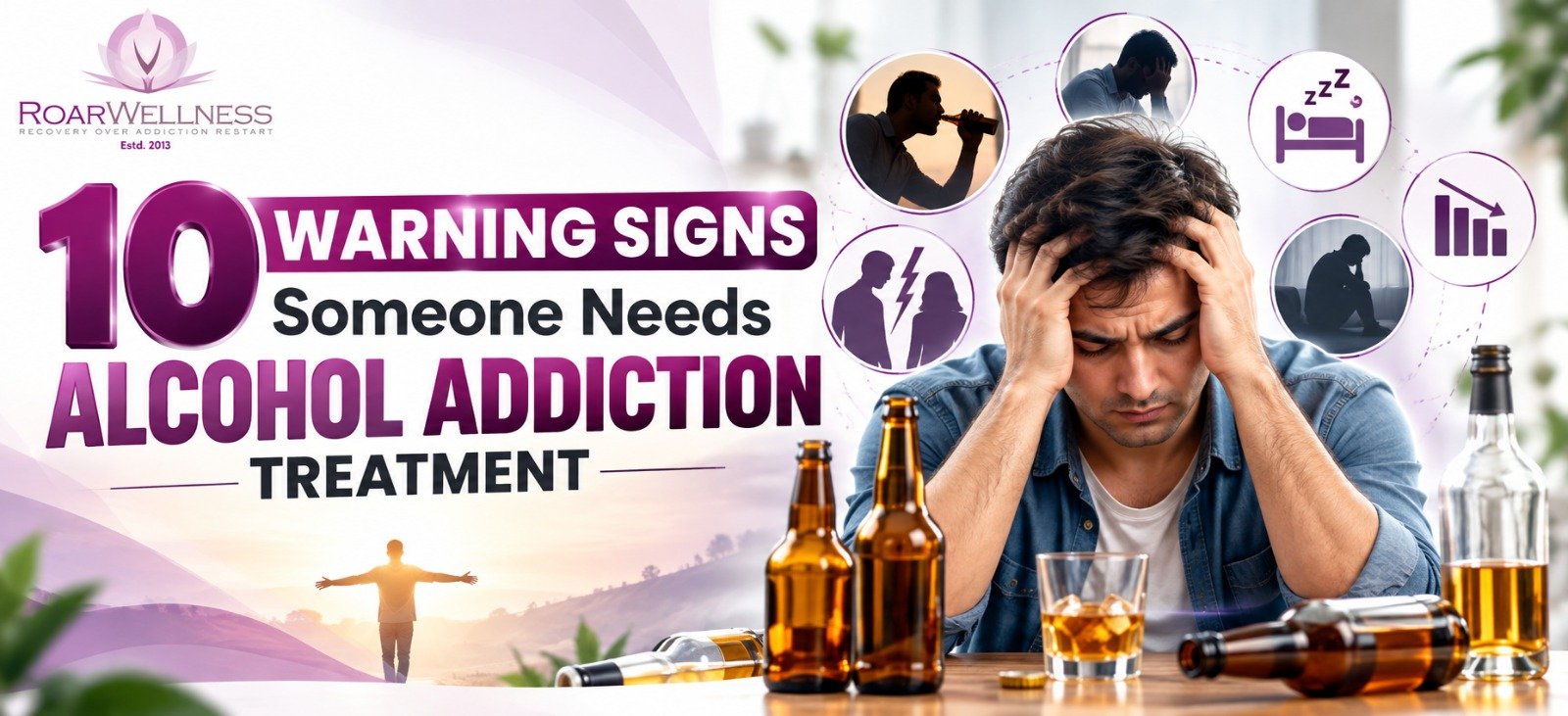
Alcohol abuse can turn into an alcohol abuse disorder when drinking begins to interfere with a person’s health, relationships, obligations, or the ability to manage oneself. Timely identification of signs of alcohol addiction can facilitate getting the right help from professionals in order to solve the problem at an early stage.
While one-time consumption of alcohol does not prove alcohol addiction, regular problems with uncontrollable alcohol intake may show that a person needs professional help to get rid of addiction. Below are 10 warning signs that should be observed.
Overdrinking
Overdrinking is one of the main symptoms of alcohol problem. A person may decide to drink one or two glasses of alcohol, but in fact continues drinking alcohol for too long or in large amounts.
Inability to control alcohol intake can serve as an indicator of the necessity to undergo an examination to find out if a person is dependent on alcohol or not.
Alcohol Cravings
Experiencing strong alcohol cravings, a person can begin to give more and more importance to alcohol. They may often think about drinking alcohol, plan everything around it or have a need to drink alcohol after stressful events.
Professional treatment for alcohol addiction could help manage the cravings when they become too hard to manage.
Alcohol Tolerance
Tolerance is an increased requirement for alcohol so that one experiences the same effect he had experienced with less alcohol before.
Alcohol tolerance may lead to increased alcohol intake and thus is an important symptom, especially when it happens alongside some other changes in drinking.
Alcohol Withdrawal Symptoms
Withdrawal symptoms may appear in people who have been drinking heavy amounts of alcohol regularly. They suddenly reduce or stop their alcohol intake. The following symptoms may happen:
- Trembling
- Sweating
- Irritability or anxiety
- Nausea
- Sleep problems
- Heart palpitations
In case of severe withdrawal, the symptoms can include seizures, hallucinations, or even confusion. It is very important for those people who suspect that they may be physically addicted to alcohol to consult their healthcare providers before stopping drinking alcohol suddenly.
People experiencing significant withdrawal symptoms may have developed physical alcohol dependence. In such situations, alcohol dependence treatment should be guided by qualified healthcare professionals, as suddenly stopping alcohol can sometimes cause serious complications.
Neglecting Work, School, or Home Responsibilities
Problems related to alcohol use can start interfering with regular responsibilities slowly.
An individual may regularly be missing work, coming to work late, ignoring household chores, or having trouble fulfilling educational or career obligations because of their alcohol abuse.
If one’s alcohol use starts regularly causing interference with regular responsibilities, this might show that alcohol treatment would be needed.
Continuation of Drinking Despite Problems Caused by It
The next key sign is the continuation of drinking despite problems caused or worsened by alcohol consumption.
This might include issues in relationships, money problems, problems at work, or other health issues. Acknowledging problems and still maintaining the same drinking habits might show that it is becoming difficult to control one’s drinking.
Attempting to Quit Drinking Unsuccessfully
One might try to stop drinking or cut down on it, but repeatedly fail to do so.
Unsuccessful attempts to stop drinking are an important warning sign. Instead of taking this as a lack of willpower, this might be a reason to consider professional help.
Hiding or Lying About Alcohol Use
There are people who try to hide their drinking habits. This involves hiding their bottles, consuming their alcohol in secret, downplaying the amount that they have consumed, or becoming defensive if anyone mentions anything regarding their consumption of alcohol.
However, even though drinking in secret does not prove alcoholism, it is more dangerous if accompanied by symptoms such as cravings, withdrawal, tolerance, or any issues resulting from consumption of alcohol.
Losing Interest in Other Activities
Alcohol could start taking precedence in one’s life over hobbies, socialization, exercising, spending time with family members, or doing any of the other things that someone used to enjoy.
One who was involved in enjoyable activities could begin avoiding them because the consumption of alcohol has started becoming their daily activity.
Drinking for Coping with Emotions
Drinking alcohol as the solution to stress, depression, anxiety, loneliness, anger, or other such emotions could develop into a vicious cycle.
This means that a person uses alcohol not only to relieve themselves but also fails to adopt other solutions to the problem of drinking in the first place.
The right alcohol addiction treatment depends on the person’s drinking patterns, physical and mental health, level of dependence, and recovery needs. Professional support can provide a structured path toward addiction recovery and help individuals develop healthier ways to manage cravings and emotional triggers.
Final Thoughts
Treatment is dependent on the specific drinking habits of the person, his/her health status, situation, and degree of dependency. Further details on the treatment of alcoholism can be accessed via RoarWellness.